
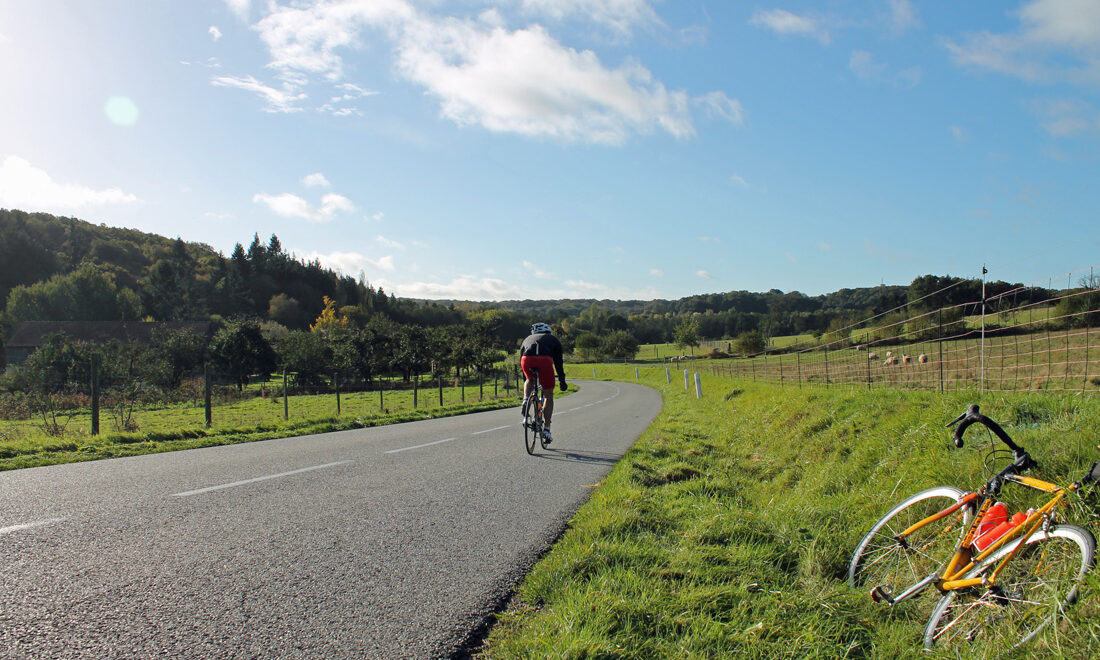

Look around any city at rush hour and the picture is clear: bicycles are everywhere. Riders in bright helmets glide past lines of idle cars, kids roll to school, and delivery workers zoom toward hungry customers. In a world where convenience and entertainment matter, many people seek activities that combine excitement and accessibility—whether it’s hopping on a bike for a quick commute or trying out the best online casinos for rainy evenings indoors. Modern life values solutions that deliver health, cost savings, and a little fun, and cycling checks all the boxes. With its easy access and joyful simplicity, two wheels have won the public’s heart, proving the perfect complement to today’s fast-moving lifestyle. From personal fitness to environmental benefits, each ride adds momentum—showing why cycling remains one of the smartest, most rewarding choices for daily travel.
Health Benefits Drive the Trend
Biking keeps bodies moving in a way that feels more like play than work. When a person pedals, large muscle groups in the legs, back, and core must work together, so the heart beats faster and lung power grows. Doctors often say that thirty minutes of moderate cycling can match a similar time of jogging, yet joints suffer far less pounding. Because the motion is smooth, people of many ages, weights, and fitness levels can join in without fear of injury. Regular rides have been shown to lower blood pressure, reduce stress hormones, and spark the release of feel-good brain chemicals such as endorphins. Over time, these changes help control weight and even improve sleep quality. During cold seasons, riders report fewer colds because their immune systems stay active. Schools that add bike clubs note sharper focus among students, while office workers arrive more awake after a commute on two wheels. Strong bodies and clear minds give cycling a clear health edge. Even brief lunchtime rides around the block can shake off mid-day sluggishness and spark creativity for afternoon tasks that once felt dull.
Money and Time Savings on Two Wheels
Beyond strong muscles, bikes also lighten the weight on wallets. A standard city bicycle costs a fraction of what even an old used car does, and maintenance—mainly air in the tires, new brake pads, and an annual tune-up—runs far below the price of fuel or parking permits. There are no insurance bills, road taxes, or surprise repair fees from a broken timing belt. Because of these low costs, many families can afford more than one bike, allowing teens to reach activities without asking for rides. Time savings add up as well. In crowded downtown areas, a rider can often travel three miles faster than a driver who must hunt for parking, pay at meters, and wait through traffic lights. For short errands, a lock fits easier than circling blocks in search of space. Employers now add secure racks and shower rooms because they know that employees who bike arrive on time. Every skipped gasoline fill-up leaves extra money for weekend fun. When cities launch bike-share programs, residents skip taxi fares and tourists explore landmarks without worrying about surge pricing or unreadable parking signs during busy holiday seasons.
A Greener Way to Move
Climate news fills headlines each day, and many citizens want practical steps that lower their carbon footprint. Cycling supplies an answer that is both direct and visible. A bike releases zero tailpipe emissions and requires only a tiny amount of energy to manufacture compared with a car or bus. Studies show that replacing just one short driving trip a week with a bike ride can reduce an individual’s annual greenhouse gases by hundreds of pounds. When entire neighborhoods embrace two-wheel travel, city planners can shrink road widths, add pocket parks, and plant more street trees. These changes cool urban heat islands and soak up storm water. Bikes also create no noise pollution, so local birds and risers enjoy calmer mornings. Some riders pair public transit with bikes, folding them to ride the train partway and finishing the last mile under their own power. This mix cuts congestion and helps transit agencies run buses more smoothly on cleaner streets. Battery-free lights powered by hub dynamos mean no dead cells to discard.
The Fun and Social Side of Cycling
Finally, cycling’s popularity soars because it simply feels good. Gliding along a path produces a sense of freedom first tasted during childhood when training wheels came off. Adults rediscover that thrill every time they roll down a gentle hill with the wind in their hair. Group rides turn solo exercise into a moving party where music plays from handlebar speakers and riders chat between breaths. Community events like “Slow Roll” nights welcome newcomers at an easy pace, proving that fitness can be friendly rather than fierce. Local coffee shops often give discounts to anyone who arrives by bike, and weekend farmers’ markets set up free valet parking for bicycles, turning errands into mini-adventures. Social media adds another layer: apps record distance, map scenic routes, and let friends cheer with digital high-fives. Because bikes invite smiles and conversation, they break down barriers between strangers at stoplights. In a time when many people feel isolated, two wheels create instant connection. Families schedule weekend picnics by bike, packing snacks into baskets and turning the journey itself into half the adventure for everyone.
The post Why Cycling Is Very Popular Nowadays appeared first on PezCycling News.