

In today’s tech-driven world, it’s often possible to get things done without even stepping outside, whether it’s work, training, or a hobby. Many activities that once required time and travel can now be accessed via apps, connected devices or online platforms, making everything far more accessible.
For example, if you’re into cycling, you can feel like a rider by steering a bike in video games or trying casino slots themed around the sport. The latter are available on online platforms, and you can also make use of promotions from various online casinos, such as a Betway bonus or others, if the rules of the bonus allow it.
If you’re a professional cyclist, you’ll know that proper training no longer requires endless hours on the road. Much of it has moved indoors.
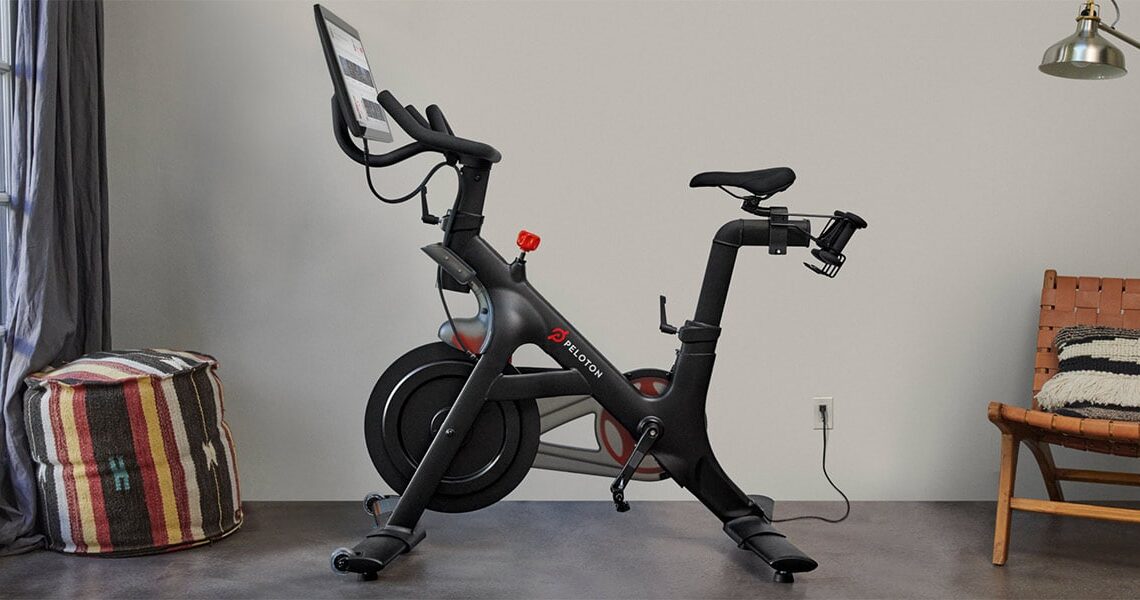
Athletes have long used stationary bikes for indoor work, but now those have been elevated into highly sophisticated training machines, connected to the internet so that feedback can be shared with fitness apps and training programs accessed. Smart bikes are now seen as being the elite of indoor training machines for cyclists, but can they really give athletes the type of marginal gains that will be a big differentiator on race day?
The Smart Bike Arrives
Smart bikes can range in price from hundreds to thousands, and the further you go up the cost chain, the better the features become on these important pieces of training equipment. While everyone has likely heard of the old-style exercise bike, is there such a big difference between those spin machines and newer smart bikes?
There is, and that’s because smart bikes use technology to include features like power measurement, resistance, and compatibility with cycling apps. Smart bikes can be adjusted for optimum comfort, allowing riders to set up their own virtual gearing, for example, to closely emulate their preferences in the real world. Matching setups like this is a huge advantage that smart bikes have over their predecessors, and another big difference is that they don’t need as much maintenance as traditional bikes.
Smart bikes also provide in-built grade simulations, virtual shifting, and can be locked into a constant wattage regardless of the cadence on a ride. Also, because some smart bikes have an integrated tilt, that feature means that its position can be adjusted perfectly to match the virtual terrain that it’s riding on, so the rider feels more connected and activates different muscles at different times. These are features designed to help users extract as many gains as possible.
Connectivity
Some of these smart bikes come with a screen, which includes cycling apps, so that specific virtual training programs can be run on the bike, with various settings like length of the ride, gradients and overall difficulty predetermined to match the workout’s prime goals.
Smart bikes also allow the user to connect a device through Bluetooth, so that it can sync workouts with apps, which can help with getting crucial feedback. Some of the apps that are used on smart bikes may come with subscription costs, however, and in many cases, only a full subscription will provide the full functionality of the app.
The Gains
With such specificity programmed into a smart bike, it can bring unrivalled training precision to ensure those physiological targets are being met. This can be beneficial for all aspects of training, from VO2 max to climbing speed, endurance and more, and nothing outdoors can match the consistent precision that a smart bike can deliver.
Another angle through which to look at the positives of smart bikes is convenience. If it’s set up, then it’s always just waiting there, ready to ride, without having to undergo maintenance checks first, like tweaking the drivetrain. Overall, smart bikes make training sessions much easier to jump into and can also cut out a lot of the prep time required to take out a traditional bike for a training run.
A smart bike also benefits a rider’s traditional bike, because the more training that’s done indoors, the less wear and tear happens to the actual bike that’s being used on race day. As components can be expensive, it’s a good way to avoid the excessive wear and tear on your main ride.
Are They Useful?
Smart bikes have their place as a training tool for cycling athletes. They can deliver high-end training, because the settings can be so precise, whether it’s a recovery ride, an FTP test, an interval session or getting biomechanical feedback on the pedalling effectiveness score. While they are a great training tool and have now become the gold standard for professionals, smart bikes will never quite replicate the real experience of riding outside on the road.
The open road is unpredictable, and the environmental conditions play a part in that as well. It’s in the saddle in the great outdoors that primes the body the most for race day, because it takes the rider outside of a sterile set-up into one where they have to deal with elements like a strong headwind, slipstreaming and listening to their body in the heat of the moment for speed, pacing and energy conservation/expenditure.
The post Can Pro Cyclists Actually Gain Anything from Smart Bikes? appeared first on PezCycling News.